FAQ #1
Does an EEG scan involve radiation?
No. EEG records the brain's electrical activity with sensors; it does not use X-rays or CT-style ionizing radiation. The test is painless, safe to repeat, and routine in pediatric neurology.
FAQ #2
Does my child need to sleep for every EEG?
Not always. Some recordings are adequate while awake; if sleep EEG is advised, timing follows your child's routine. Deliberate sleep deprivation before the test is usually unnecessary.
FAQ #3
What should we bring to the first visit?
Prior EEG, MRI, or lab reports, a current medication list, and a brief seizure video if available are very helpful. Short notes on symptoms also make the first consultation more efficient.
FAQ #4
After a seizure, when is emergency care needed?
Seek emergency care for prolonged, repeated, or breathing-affecting seizures. Even after a first brief episode, prompt pediatric neurology follow-up should be arranged as soon as possible.
FAQ #5
Does an epilepsy diagnosis affect school life?
With an individualized plan, most children continue school and social activities. Communicating safely with school staff is encouraged; each child's needs and treatment path differ.
FAQ #6
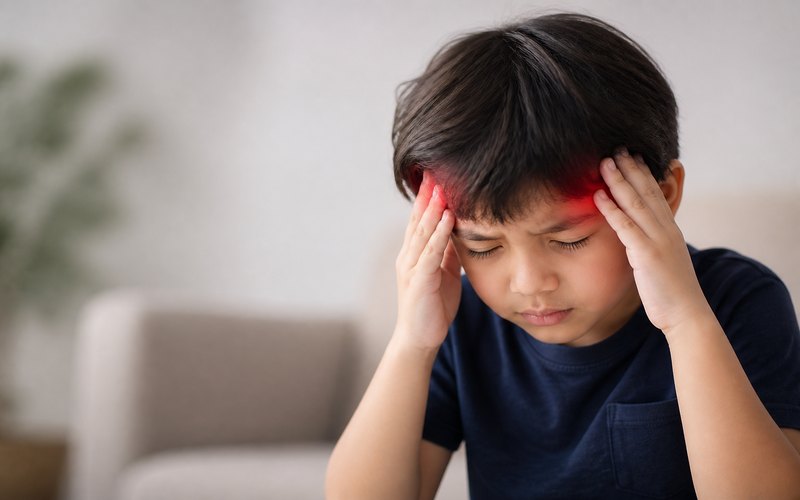
Is MRI required for every childhood headache?
No. MRI is not automatic for every headache; your physician decides based on history, examination, and risk findings. When needed, the reason and process are explained clearly to families.
FAQ #7
How are convulsions and fainting told apart?
Duration, color change, muscle stiffness, and recovery matter. The distinction is made through clinical assessment and sometimes EEG; a short video of the event is often very helpful.
FAQ #8
How long does the first neurology visit take?
The first visit usually takes thirty to forty-five minutes for history, examination, and planning. If needed, EEG or additional tests may be scheduled in a separate appointment.
Contact
Still have questions?
Call or message us for appointments and anything else you would like to ask.